A smarter way to diagnose lower urinary tract disorders
Designed for busy clinics
Glean brings a modern approach to urodynamics—one that reduces complexity, improves patient comfort, and delivers valuable clinical insights. Built for flexibility and efficiency, the system fits seamlessly into busy practices and supports confident, data-driven decision-making.

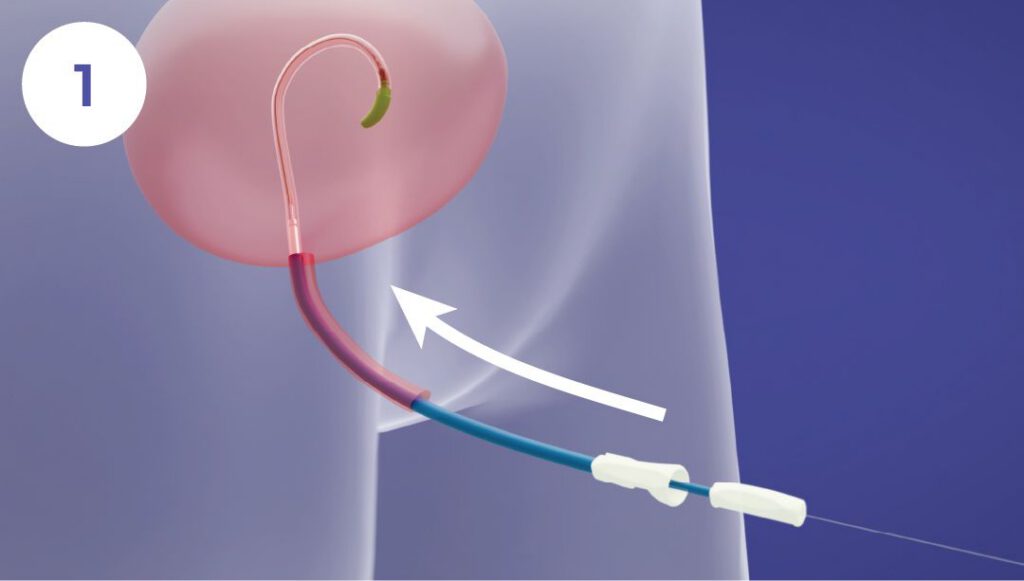
Insert Sensors
Glean’s single-use bladder and abdominal sensors enable quick insertion without the need for a specialized procedure room or bulky equipment.

Physiological Monitoring
The bladder fills and empties under everyday conditions as the patient leaves the exam room, moves freely, and voids in private.
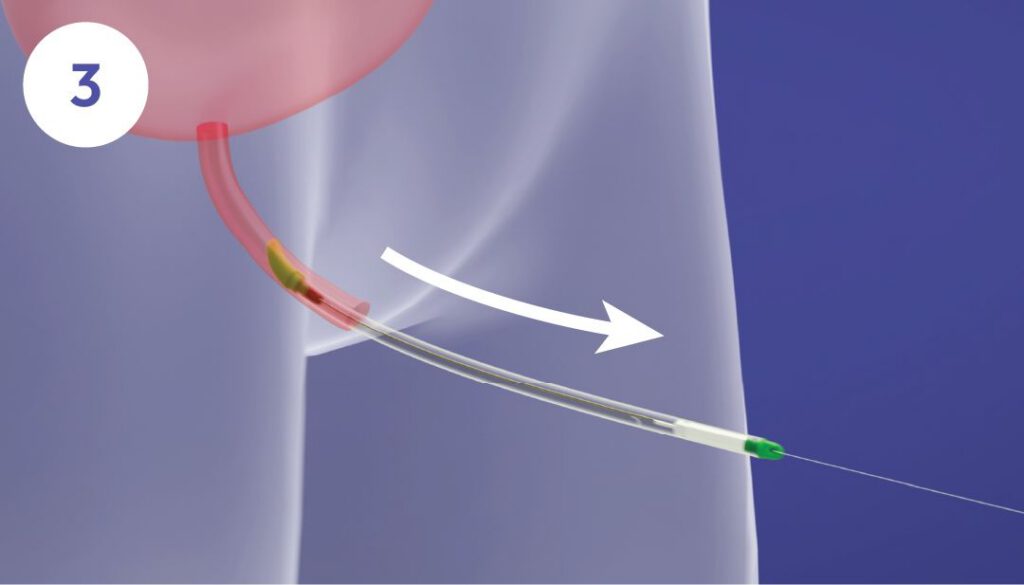
Remove Sensors
When the study is complete, the Glean sensors are removed, and the data is securely transferred to the cloud for fast processing.

Data Interpretation
Glean combines pressure and uroflowmetry data with patient-reported events into a cohesive report of true physiological bladder function.

Suitable for a variety of patients
Glean is available in both male and female configurations and may be appropriate for patients with Lower Urinary Tract Symptoms (LUTS) often associated with:
- Stress Urinary Incontinence (SUI)
- Overactive Bladder (OAB)
- Benign Prostatic Hyperplasia (BPH)
- Neurogenic Bladder (NLUTD)
A better way to do urodynamics
Traditional urodynamics relies on restrictive, equipment-heavy testing that can be uncomfortable and may fail to reproduce real symptoms, leading to incomplete or inconsistent data.
Glean delivers a simpler, more natural experience, as patients can void comfortably and privately, while the system captures high-quality data that reflects true bladder function and improves clinical clarity.


Conventional Setup
Creates discomfort and anxiety for patients and can alter bladder behavior, leaving clinicians with an incomplete picture.
- Dedicated UDS room / UDS nurse
- Catheter in place during void
- Long learning curve
- Patient anxiety / Difficulty voiding
- High capital expenditure

Glean Urodynamics System
Provides a patient-friendly alternative that simplifies setup and captures real-world bladder behavior for more confident diagnoses.
- Any exam room / Any clinician / Any time
- Wire-free and catheter-free
- Intuitive design
- Patient comfort and privacy
- Low capital expenditure
References:
- Stewart WF, et al. World J Urol. 2003;20:327–336.
- NIDDK, NIH. Urologic Diseases in America Annual Data Report. April 26, 2024.
- Dorsher PT, et al. Adv Urol. 2012;2012:816274.
- Lee UJ, et al. J Urol. 2021;205(6):1718–1724.